
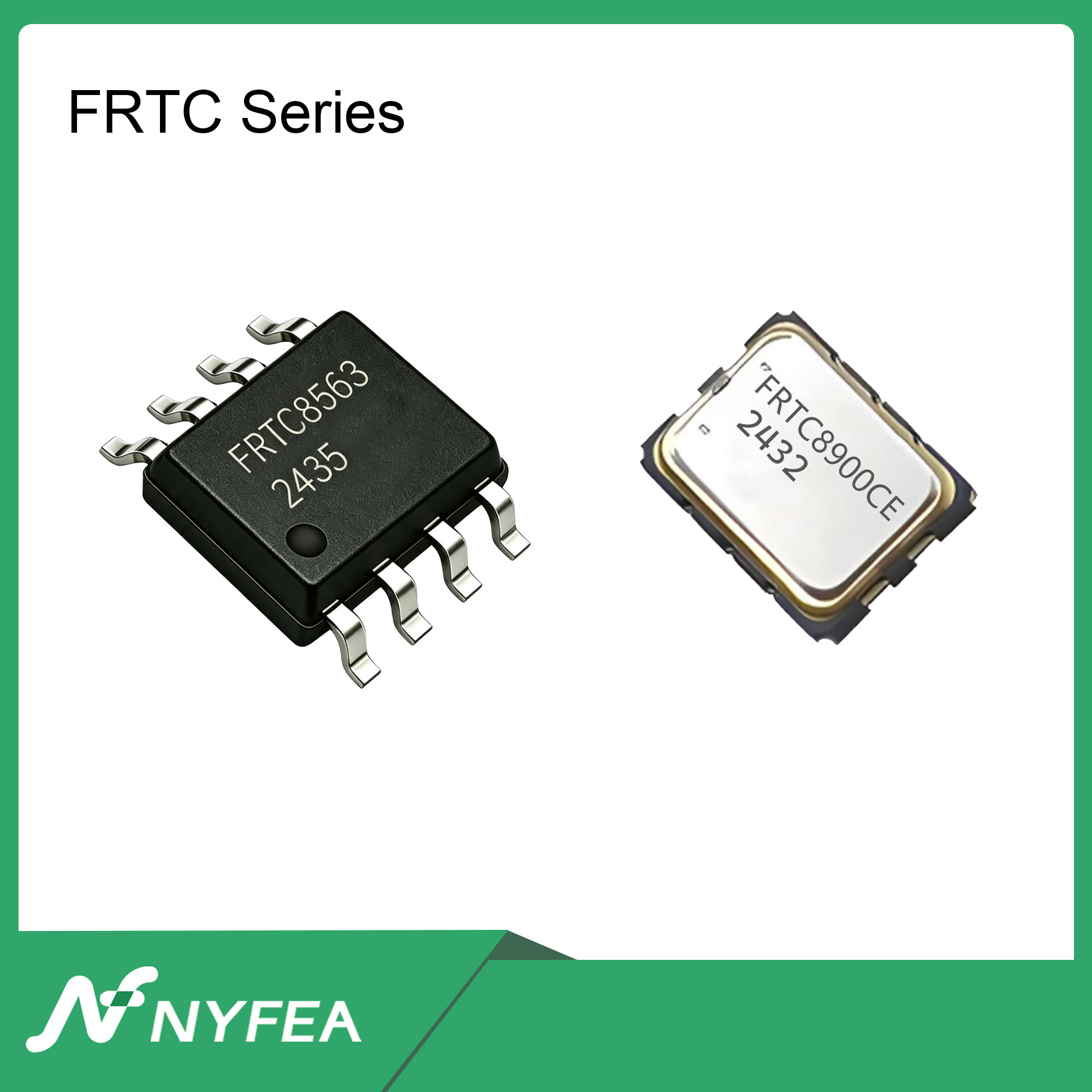
FRTC Series Real-Time Clock ICs Overview
Real‑Time Clock (RTC) ICs are low‑power timing devices that generate, maintain, and provide current time and calendar information. Under specified supply and oscillation conditions, the RTC continuously records seconds, minutes, hours, weekdays, dates, months, and years via an oscillator, frequency dividers, counters, and calendar registers, and makes the time data available to an MCU, MPU, or other host controller through a serial interface.
The timebase is typically a 32.768 kHz quartz crystal; some high‑precision RTCs integrate a temperature‑compensated crystal oscillator. The RTC operates independently of the host controller’s runtime state, so it continues to update time even when the MCU enters sleep mode. Note that the RTC is neither a system timer of the processor nor part of a real‑time computing system; its primary function is to provide a continuous and readable date‑time reference.
Depending on the specific model, the RTC may also offer leap‑year correction, alarms, timers, wake‑up interrupts, periodic time‑update interrupts, programmable square‑wave output, and frequency calibration. Models with a backup power input and automatic power‑switchover circuitry can switch to a battery or supercapacitor when the main supply is off or out of specification, thereby maintaining timekeeping. Some variants include battery‑backed RAM for storing a small amount of system data while the backup supply is active.
The FRTC family includes FRTC1337S, FRTC1338S, FRTC1339M, FRTC85063, FRTC4100S, FRTC4111S, FRTC8025S, FRTC8563, and FRTC8900 – covering both external‑crystal RTC chips and high‑precision RTCs with an integrated temperature‑compensated oscillator. The series communicates with the host controller via an I²C‑compatible (or two‑wire) serial interface; certain models support bus speeds up to 400 kHz.
FRTC1337S, FRTC1338S, FRTC1339M, FRTC4100S, FRTC4111S, FRTC85063, and FRTC8563 use an external 32.768 kHz quartz crystal. Depending on the model, they may provide alarm functions, square‑wave output, backup power switchover, trickle charging, and battery‑backed RAM. FRTC8025S and FRTC8900 integrate a 32.768 kHz DTCXO and, under the supply voltage and temperature conditions specified in their respective datasheets, achieve a frequency stability of ±3 ppm – making them suitable for systems that demand high timekeeping accuracy and temperature stability.
FRTC series RTC ICs and modules are applicable in smart meters, industrial control, communication equipment, security systems, medical electronics, consumer electronics, and battery‑powered products. For actual device selection, the system requirements – including operating voltage, timekeeping current, frequency accuracy, backup power support, interface type, alarm functionality, operating temperature, and package dimensions – must be evaluated against the official datasheet of the corresponding model.
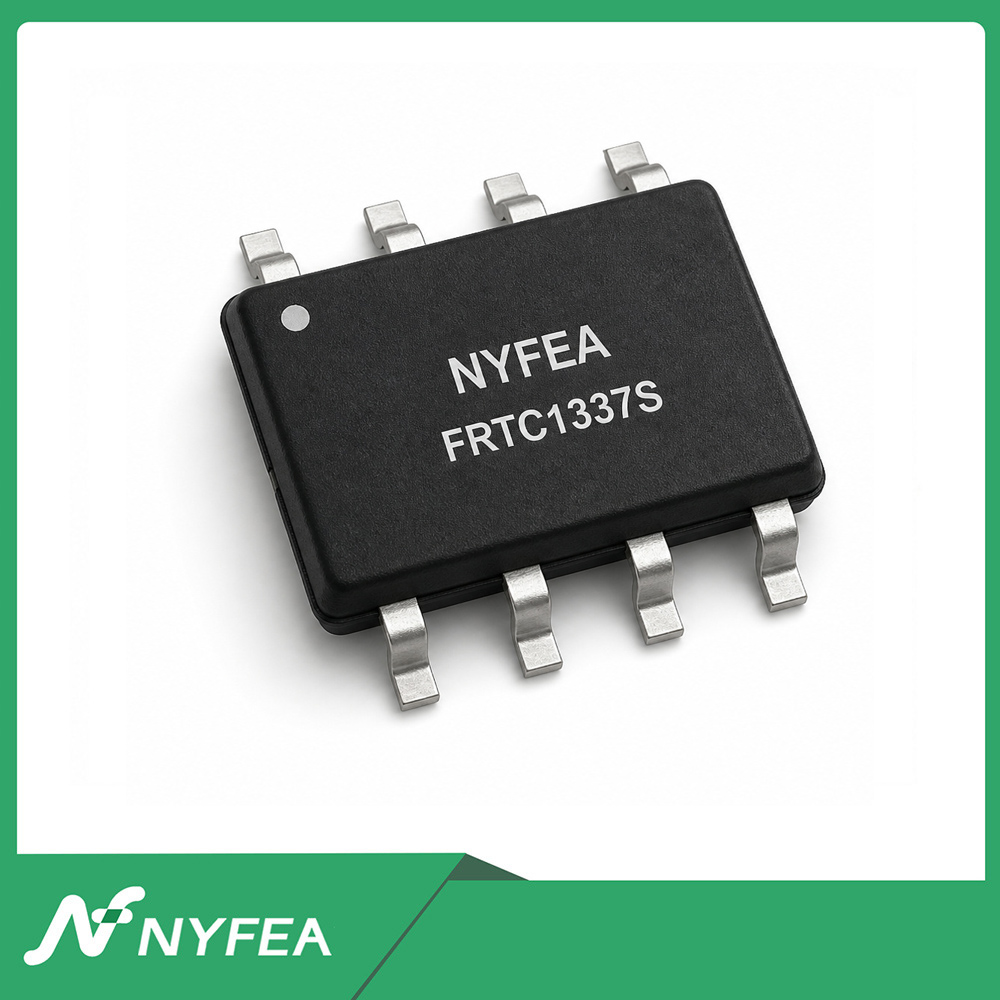
FRTC1337S
I²C pull-up resistors and system firmware for initialization, coherent time reads, alarm servicing
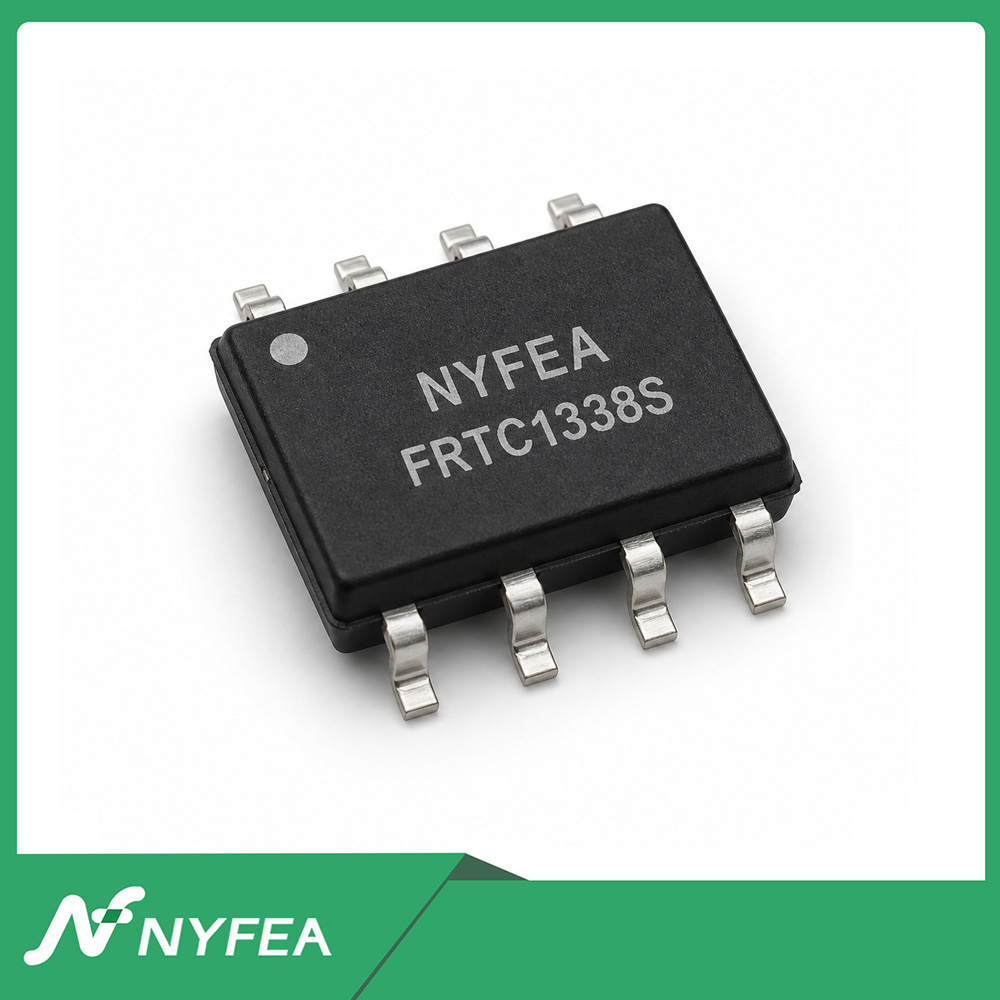
FRTC1338s
3.3 V I²C real-time clock with an external 32.768 kHz crystal, 56 bytes of battery-backed NV RAM
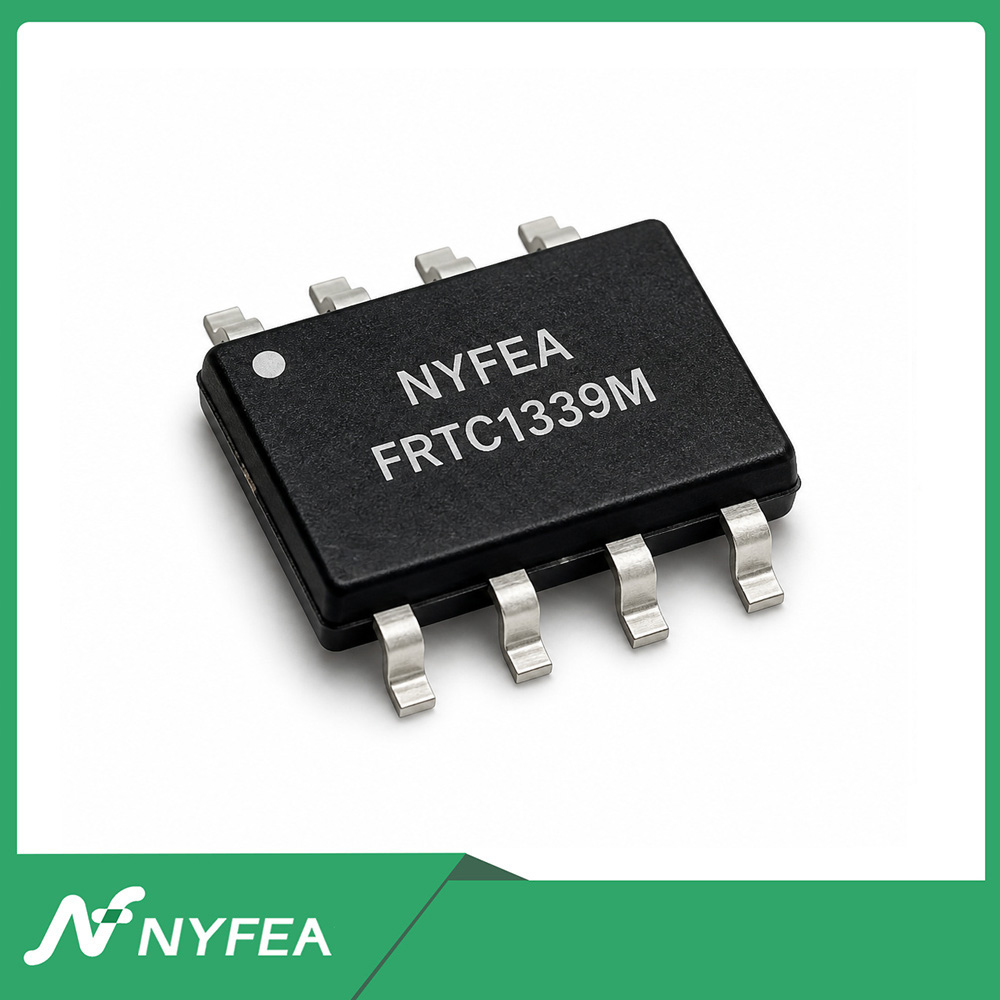
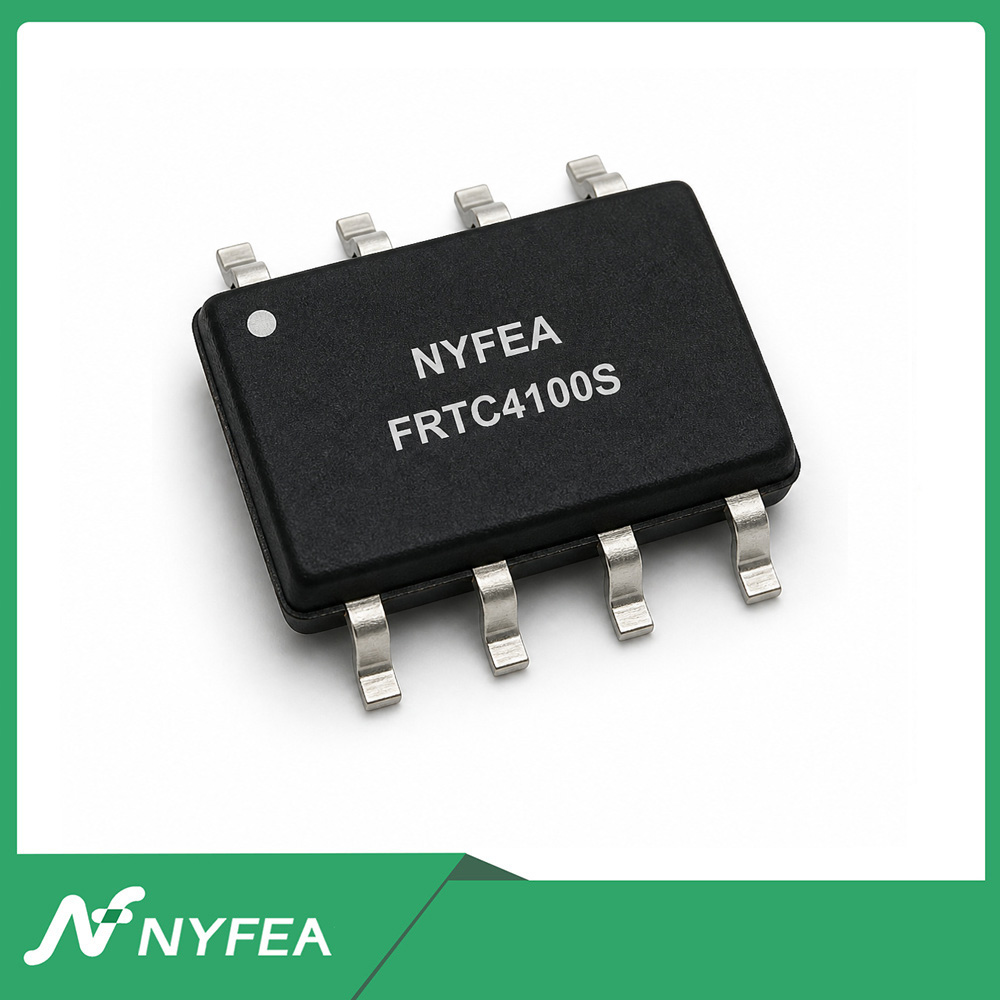
FRTC4100S
low-power I²C real-time clock with BCD calendar counters, automatic battery switchover, software clock calibration
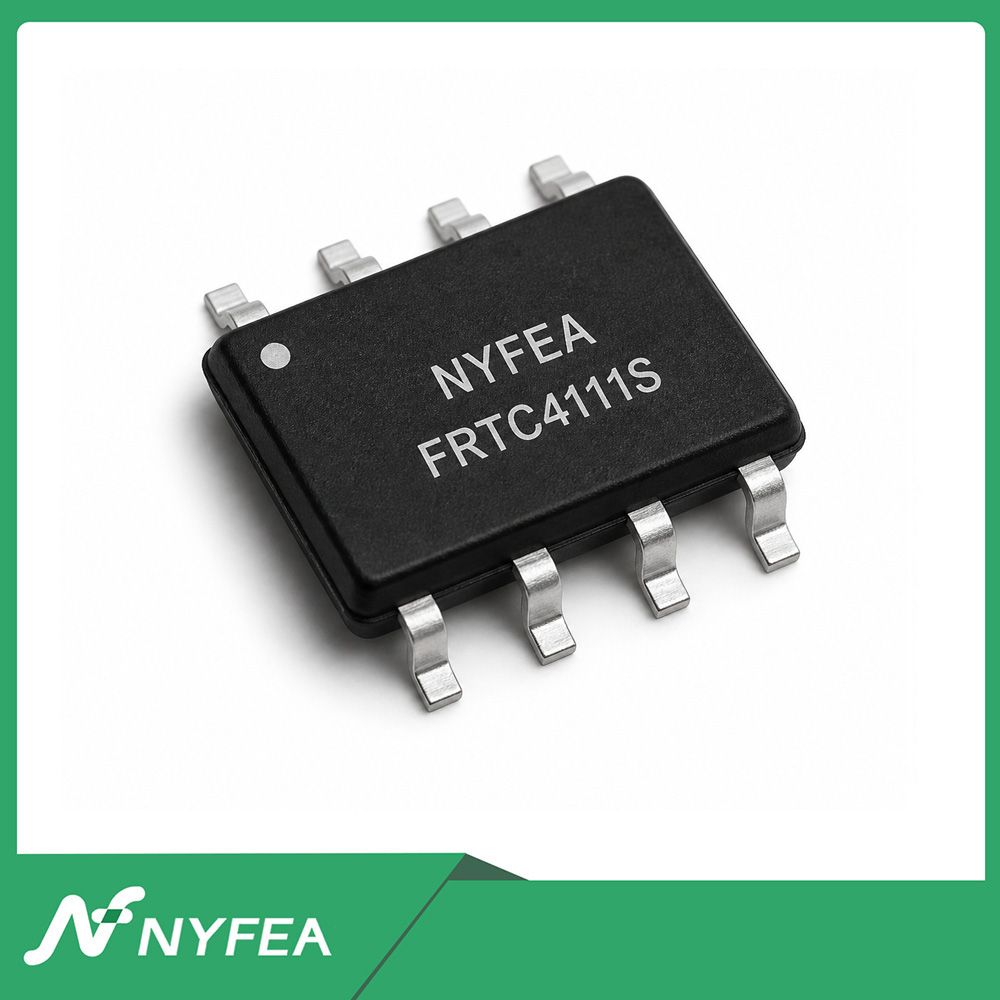
FRTC4111S
The clock and RAM are retained from VBAT after switchover, but I²C access is disabled in backup mode. External pull-ups, bypass capacitors
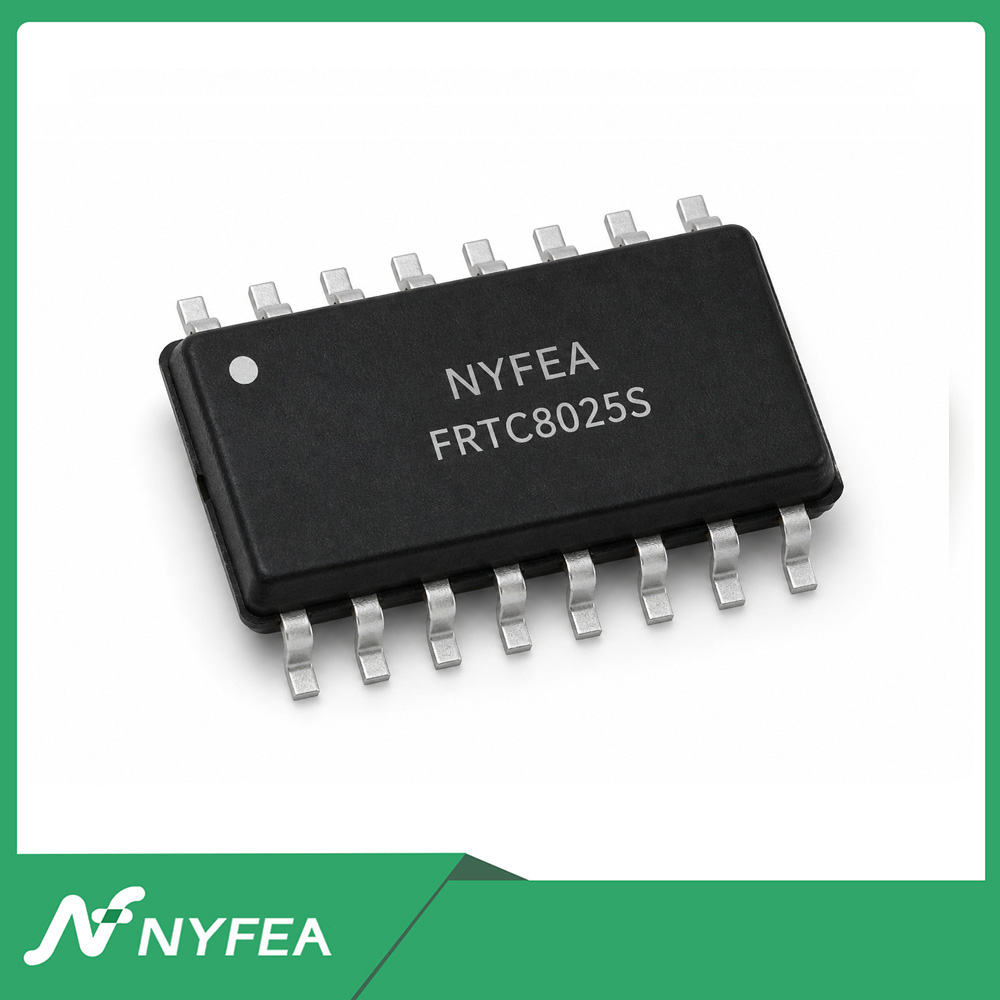
FRTC8025s
The DTCXO and compensation data are integrated; no external tuning crystal is required. Published ppm values apply only with their adjacent VDD
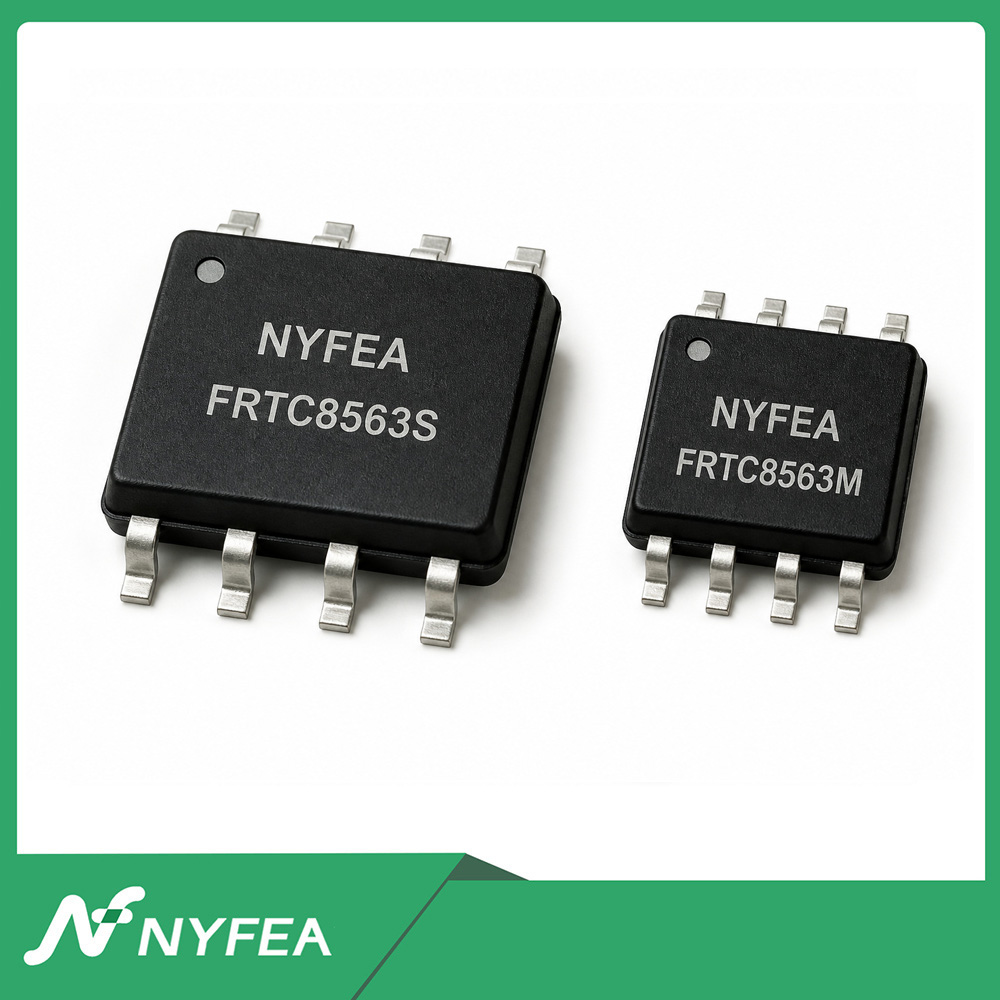
FRTC8563
It supports a 24-hour clock, automatic month-length adjustment, leap-year calculation within its two-digit year model
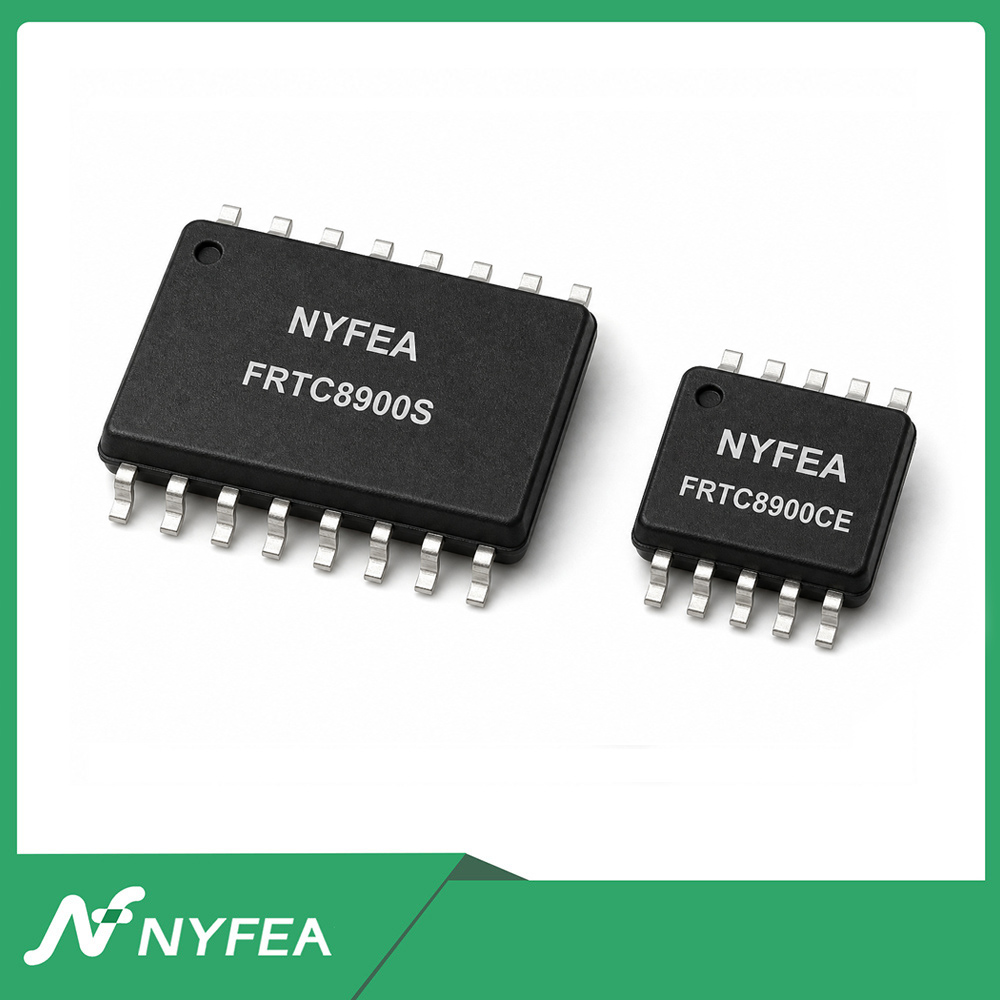
FRCT8900
I²C RTC module with an integrated temperature-compensated 32.768 kHz oscillator. It retains a calendar from year through second