Home > Products > Silicon Capacitor (FSC Series)

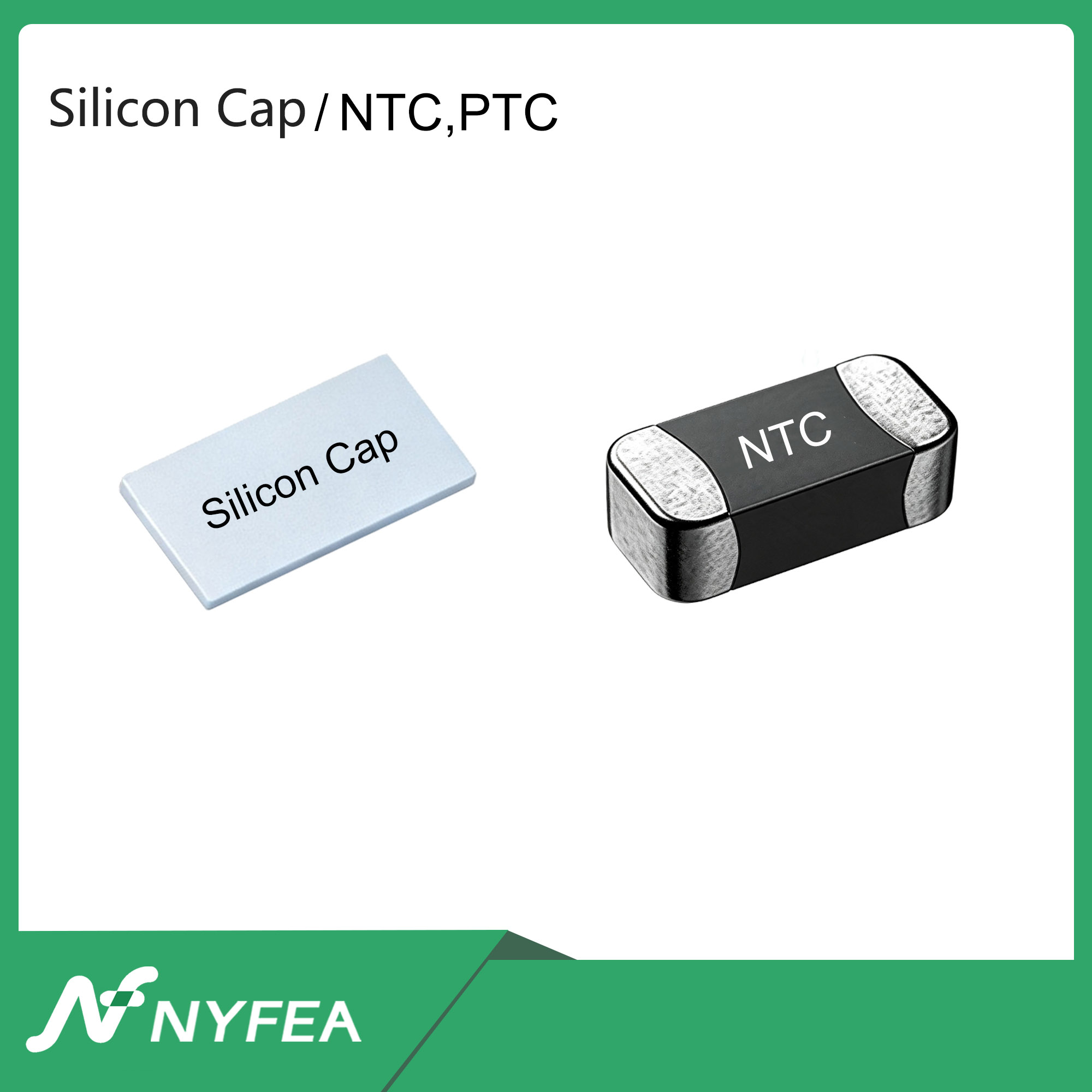
FSC Series Silicon Capacitors Overview
Silicon capacitors are capacitors fabricated on silicon substrates using semiconductor manufacturing processes to form their electrode and dielectric structures. They are primarily used for charge storage and for functions such as signal coupling, bypassing, decoupling, and RF impedance matching. Compared with conventional chip capacitors, silicon capacitors typically offer smaller dimensions, good electrical parameter consistency, and high capacitance density. These characteristics make them suitable for electronic systems with demanding requirements for board space, electrical stability, and high-frequency performance.
The FSC Series includes silicon capacitors with vertical structures and horizontal dual-pad structures, offering capacitance values ranging from picofarads to nanofarads and a selection of rated voltages. Depending on the specific model, these products provide low leakage current, high insulation resistance, and good capacitance stability over temperature and applied voltage. Certain horizontal dual-pad models also feature low equivalent series resistance (ESR) and equivalent series inductance (ESL), helping to improve device impedance characteristics in high-frequency circuits.
Depending on their construction, FSC Series products support assembly methods such as bare-die attachment, wire bonding, and reflow soldering. They are suitable for use in high-speed digital circuits, communications equipment, RF and microwave circuits, broadband test equipment, optical communication systems, and miniaturized electronic modules. Because the required mounting method, pad design, and process conditions vary by product structure, device design-in and assembly must comply with the requirements specified in the datasheet for the applicable model.
Silicon capacitor selection should take into account capacitance, tolerance, rated voltage, breakdown voltage, operating temperature, insulation resistance, ESR, ESL, package dimensions, and assembly process. Rated voltage is the operating voltage that may be continuously applied to the device under specified conditions. Breakdown voltage must not be treated as a permissible long-term operating voltage. Circuit designs should also provide an appropriate design margin based on voltage transients, temperature variations, and system reliability requirements.
More Product Selection

RFID Reader Chip
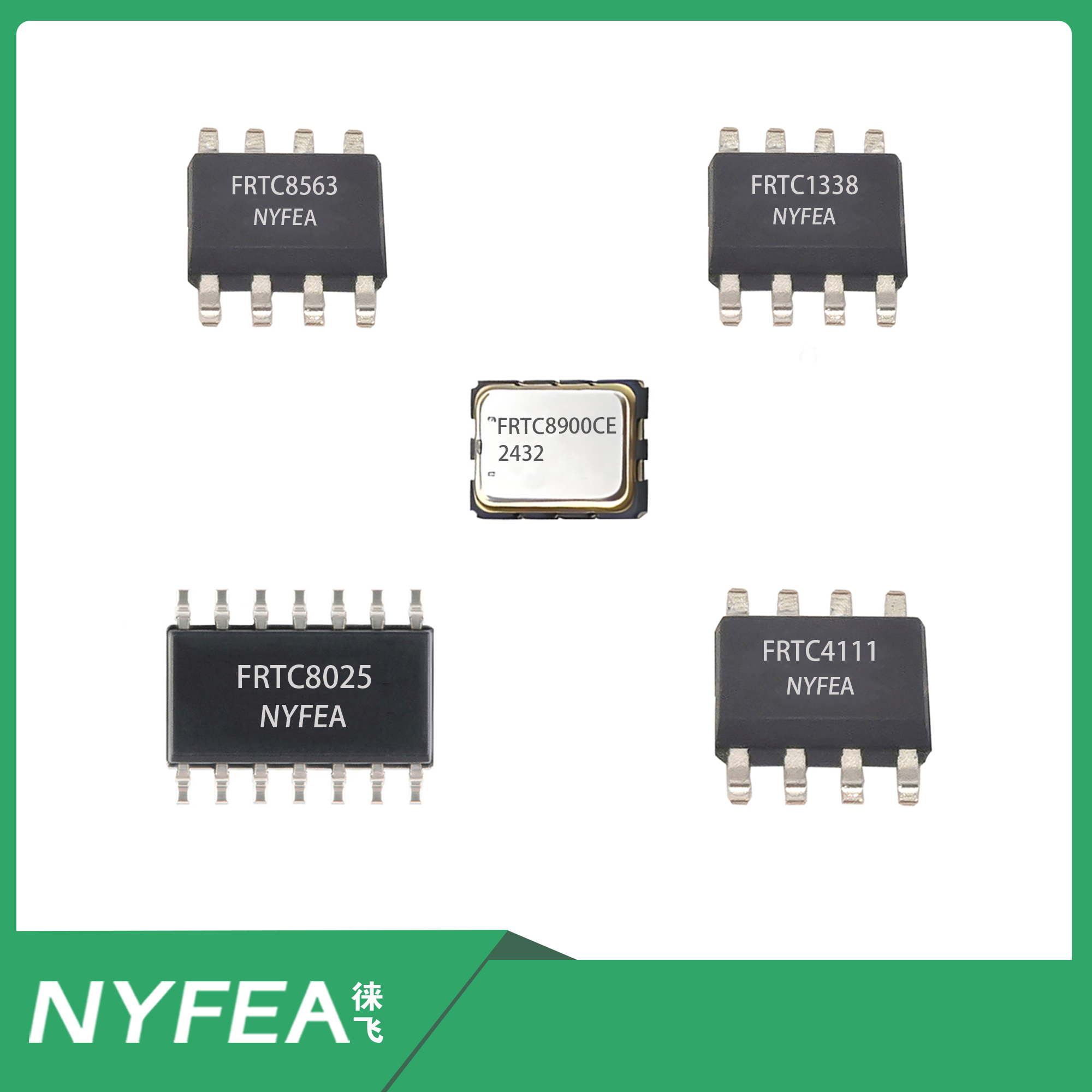
Real-Time Clock Chip
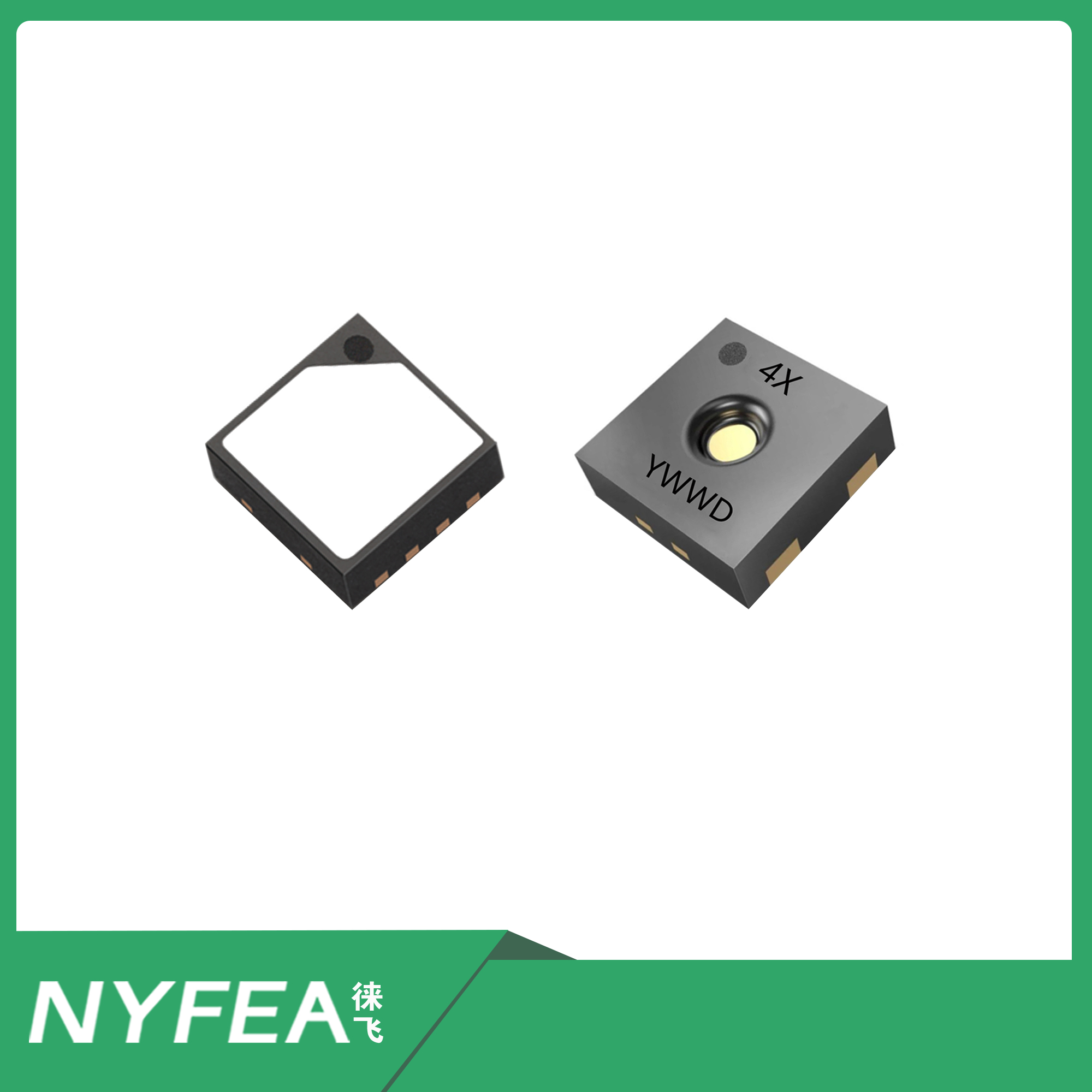
Temperature Humidity Sensor